Bitterblue
Kristin Cashore
Author Reading Guide
Kristin Cashore is the author of the Graceling series, the 2008-era YA fantasy that a huge share of today's romantasy readers grew up on. Graceling won the Mythopoeic Award and has never gone out of print.
Kristin Cashore came to publishing the slow way. Born in 1976 and raised in Pennsylvania, she studied at Williams College, then earned a master's from the Center for the Study of Children's Literature at Simmons, working stints as a dog runner, a packer in a candy factory, an editorial assistant, and a freelance writer along the way. Her debut, Graceling, landed in 2008 and became one of those rare first novels that defines a generation of readers. It was an ALA Best Book for Young Adults, won the Mythopoeic Award, hit the New York Times bestseller list, and got translated into dozens of languages. Nearly two decades on it still sits near the top of every list of YA fantasy essentials, and it keeps finding new readers who arrive via BookTok without knowing how much of the modern genre it quietly built.
What sets Cashore apart is interiority. Her books are fantasy, with kingdoms and powers and assassination plots, but the real story is always happening inside her heroines. Katsa, the king's enforcer with a killing Grace she never asked for, spends Graceling working out whether she belongs to her king, her power, or herself. Cashore writes trauma, autonomy, and recovery with a seriousness that was rare in 2008 and still stands out now, and she does it without ever turning her books into lectures. Her prose is quiet and unshowy, her pacing deliberate. If you want battles on every page she will frustrate you. If you want to live inside a character's head while she slowly claims her own life, almost nobody does it better.
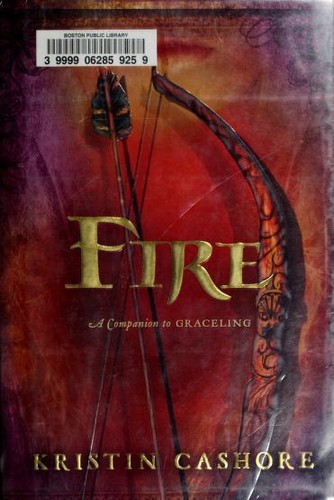
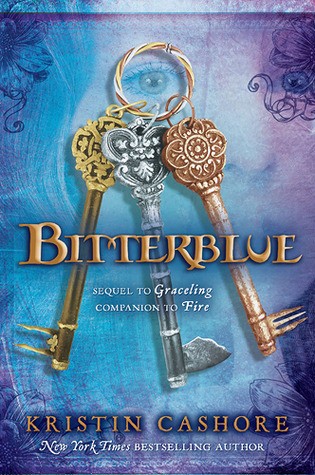
The Graceling series runs five books. Graceling introduces Katsa and Po. Fire (2009) is a companion novel set in a neighboring land, following a woman whose inhuman beauty bends every mind around her; it is the fan favorite and arguably her best book. Bitterblue (2012) picks up the young queen of Monsea as she untangles the damage her monstrous father Leck left behind, and it is one of the most honest books about national trauma ever shelved as YA. Winterkeep (2021) and Seasparrow (2022) move the story to a new continent with airships, telepathic sea creatures, and political corruption. Outside the series she wrote Jane, Unlimited (2017), a strange, structure-bending standalone that splits into five parallel genre stories, proof she refuses to write the same book twice.
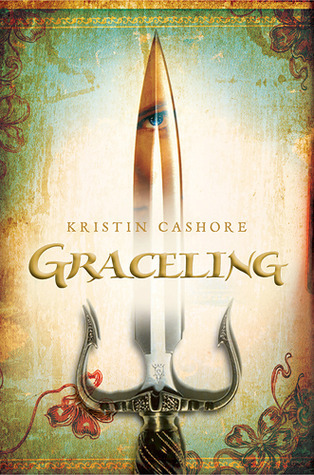
On heat, be realistic: this is a 1 on our spice scale. There is real sensuality, the attraction is adult and physical, but scenes fade out early. What Cashore offers instead is one of the most quietly radical romances in the genre. Katsa and Po build a partnership entirely on her terms, including her refusal of marriage and children, and the book treats that as a happy ending rather than a compromise or a phase she will grow out of. In 2008 that was close to unheard of in YA, and it reads just as fresh today.
For romantasy readers, Cashore is ancestry. The love interest who respects the heroine's power instead of fearing it, the heroine isolated by her own gift, the slow burn built on trust rather than banter wars, all of it runs through Graceling before it reached the current wave. Authors from Leigh Bardugo's generation onward have named her as an influence. She is also the ideal palate cleanser between high-spice series: all the longing, none of the explicit content, and prose that rewards slowing down.
Start with Graceling, then Fire, then Bitterblue. Publication order matters because Bitterblue leans hard on the first book's events, and Winterkeep and Seasparrow assume you know everyone. Fire works as a standalone if you want a single self-contained read first. Give her two hundred pages before you judge the pacing; her books are built to accumulate.