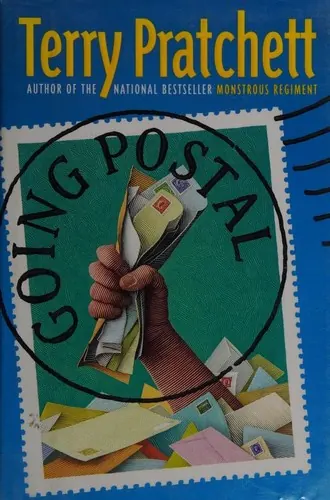
Going Postal
Terry Pratchett
Author Reading Guide
Sir Terry Pratchett wrote 41 Discworld novels, the funniest and most humane body of work fantasy has ever produced. Ancestry pick: zero heat, infinite heart.
Terry Pratchett
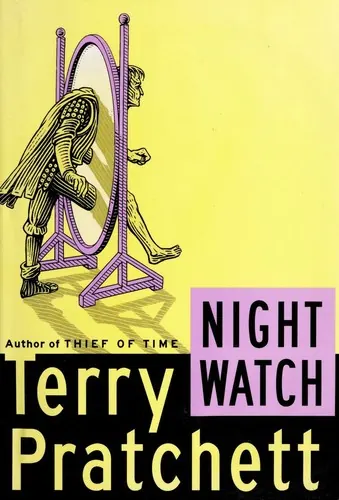
Terry Pratchett
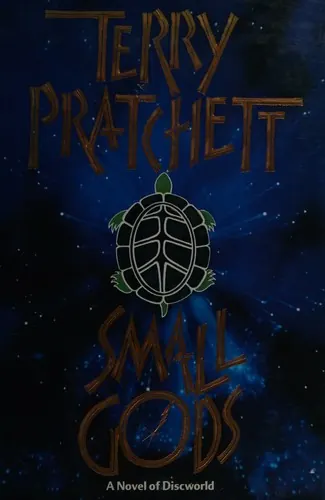
Terry Pratchett
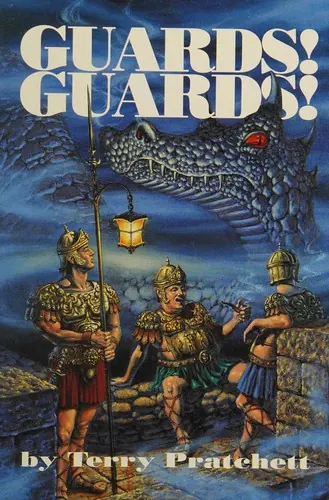
Terry Pratchett
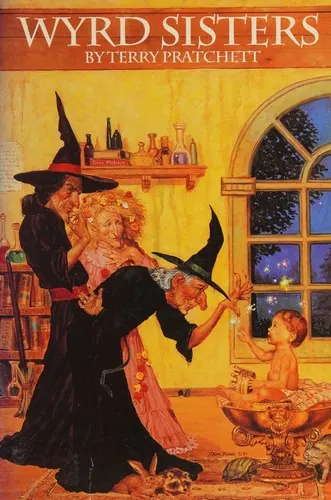
Terry Pratchett
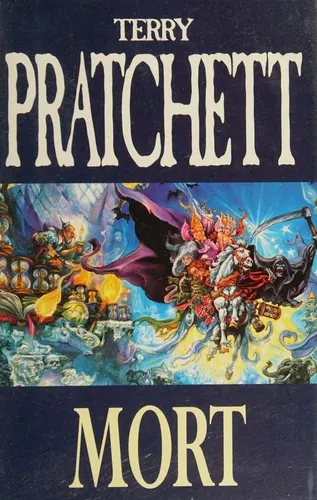
Terry Pratchett
Terry Pratchett
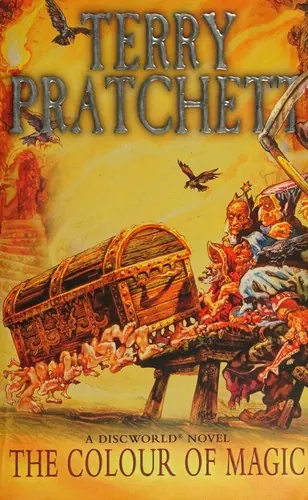
Terry Pratchett
Terry Pratchett was born in 1948 in Beaconsfield, England, left school at seventeen to become a journalist, and later spent years as a press officer for a group of nuclear power stations, a job he claimed would have made great comic material if anyone had believed him. His first novel, The Carpet People, appeared in 1971, but the machine truly started in 1983 with The Colour of Magic, the first Discworld novel, set on a flat world carried through space on the backs of four elephants standing on a giant turtle. What began as a parody of fantasy cliches became, across 41 novels and 32 years, a complete satirical mirror of our own world.
The numbers are absurd. Pratchett was the UK's best selling author of the 1990s until a certain boy wizard arrived, has sold on the order of 100 million books worldwide, was knighted for services to literature in 2009, and co-wrote Good Omens with Neil Gaiman in 1990, the book behind the Amazon series with Michael Sheen and David Tennant. Within Discworld he built self-contained strands you can follow independently: the City Watch books about policing and power, the Witches books, the Death books, and the Tiffany Aching books for younger readers, each one a different doorway into the same sprawling world.
What defined him was the trick of hiding a moralist inside a comedian. The jokes arrive several per page, often in footnotes, but underneath them Discworld is about policing, war, religion, newspapers, banking, and what people owe each other. Death, who SPEAKS IN CAPITALS and is fond of cats, became one of the most beloved characters in fantasy precisely because Pratchett used him to write about mercy. Granny Weatherwax, the flinty senior witch, delivers the closest thing the series has to a creed: sin is treating people as things. Nobody else has ever made ethics this funny, and plenty have tried.
In 2007 Pratchett was diagnosed with posterior cortical atrophy, a rare early-onset form of Alzheimer's. He went public immediately, donated a million dollars to research, campaigned for the right to assisted dying, and kept writing by dictation when the disease took his typing. He died in March 2015, and the final Discworld novel, The Shepherd's Crown, appeared posthumously that year. His estate has been famously protective ever since, turning down adaptations it considered subpar, but is now opening up carefully: a Discworld graphic novel line launches with Thief of Time in April 2026, with The Wee Free Men adapted by his daughter Rhianna Pratchett to follow.
Romance is not what Discworld sells, and the heat level is a flat 0, but the love stories are quietly excellent. Watch commander Sam Vimes and Lady Sybil Ramkin are fantasy's best married couple, a cynical street cop and a dragon-breeding aristocrat who make each other braver. Captain Carrot and werewolf Angua carry a long-running relationship that treats lycanthropy as honestly as any paranormal romance. And Nanny Ogg, the witch with a scandalous past and a filthier songbook, understands desire better than most romance novels do. If you read romantasy for found family, competent women, and loyalty that survives everything, Discworld was doing all of it before most of the genre existed.
Where to start, and this matters: not with The Colour of Magic, which is early and rough. Start with Guards! Guards! for the City Watch, Mort for Death, or Wyrd Sisters for the witches. Anyone wanting gentleness should begin with The Wee Free Men and follow Tiffany Aching through to the end. And keep one unread Pratchett on your shelf at all times as an emergency measure. A Discworld novel between two brutal dark romantasy series will reset your entire nervous system, and we consider that a medical opinion.