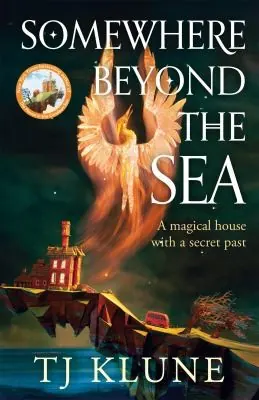
Somewhere Beyond the Sea
T.J. Klune
Author Reading Guide
TJ Klune is the Lambda Literary Award-winning author of The House in the Cerulean Sea, whose warm, queer-centered fantasy has sold millions of copies worldwide.
T.J. Klune
T.J. Klune
T.J. Klune
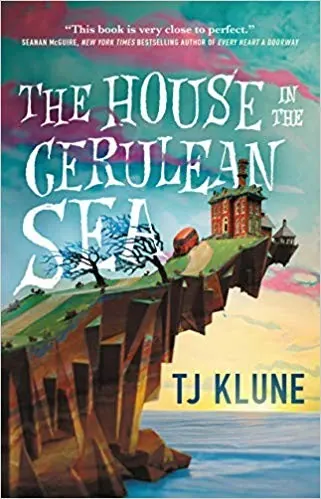
TJ Klune spent years writing queer romance and paranormal fiction for small presses before The House in the Cerulean Sea turned him into a household name in 2020. The book about a lonely caseworker sent to inspect an orphanage of magical children landed on major bestseller lists, won the Alex Award, and has since anchored a body of work that sells in the millions. Its sequel, Somewhere Beyond the Sea, arrived in 2024, and together the Cerulean Chronicles have passed two million copies sold. In April 2026, Warner Bros. Animation announced an animated series adaptation, which tells you how far this quiet little book about found family has traveled. The novel follows Linus Baker, a rule-bound caseworker for the Department in Charge of Magical Youth, dispatched to a seaside orphanage whose residents include a wyvern, a were-Pomeranian, and a cheerful six-year-old Antichrist named Lucy. On paper it sounds like a sketch. In practice it became the defining comfort read of its era, pressed into hands with the words trust me.
Klune writes what readers have come to call cozy fantasy, though that label undersells the emotional weight he sneaks in. His stories center queer characters, chosen families, and gentle, patient love, and he has been open about how his own experience as an asexual gay man shapes the romances he writes. The humor is constant, the villains tend to be bureaucracies rather than dark lords, and the endings land soft. If your usual reads are full of morally gray war criminals, Klune is the opposite pole, and sometimes that is exactly what you need.
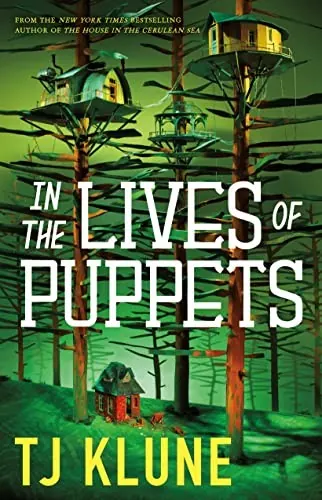
The catalog runs deeper than Cerulean. Under the Whispering Door follows a dead man falling for the ferryman meant to guide him onward. In the Lives of Puppets reworks Pinocchio with robots and a very devoted android family. His earlier Green Creek quartet, starting with Wolfsong, is a werewolf saga with far more heat and angst than his Tor-era work, and it remains a favorite among readers who want their fated mates with real bite. His newest novel, We Burned So Bright, released in April 2026, follows an older queer couple on an end-of-the-world road trip.
On our spice scale, most of Klune's fantasy sits at a 1, sometimes a 0. The Tor books are romantic but chaste, with affection expressed through banter and devotion rather than bedroom scenes. Green Creek is the exception, landing around a 3 with explicit scenes woven into all that wolf-pack drama. Know which Klune you are picking up, because the two modes are very different experiences.
For romantasy readers, Klune matters as the genre's great palate cleanser. After a run of blood-soaked courts and toxic fae princes, a Klune novel is a warm bath. He also proves that found family, the trope romantasy leans on constantly, can carry an entire book on its own without a tournament or a war in sight. Plenty of readers who discovered him through BookTok crossovers now keep one Klune in rotation between darker series as a reset button. He is also one of the bestselling openly queer fantasy authors working today, which matters in a genre whose central romances still skew overwhelmingly straight. For many readers, a Klune book was the first fantasy where people like them got the soft ending.
Start with The House in the Cerulean Sea, which needs no setup and delivers his whole appeal in one book, then continue to Somewhere Beyond the Sea if you want more of Linus, Arthur, and the kids. Under the Whispering Door works as a standalone next step. If you want the spicier, angstier Klune, go back to Wolfsong and read Green Creek in order. However you enter, you will know within thirty pages whether his particular brand of kindness is for you. Most people never leave. Somewhere Beyond the Sea shifts the point of view to Arthur Parnassus, the orphanage's master, and proves the sequel skeptics wrong by keeping every ounce of the first book's warmth while adding real stakes about who gets to decide what dangerous means.