Crystal Bloom
Sarah A. Parker
Author Reading Guide
Sarah A. Parker is the international bestselling author of When the Moon Hatched, the dragon romantasy that leapt from self-publishing to global phenomenon, and the Crystal Bloom series.
Sarah A. Parker
Moonfall
Sarah A. Parker
Sarah A. Parker
Sarah A. Parker
To Snap a Silver Stem
Sarah A. Parker
Sarah A. Parker
Sarah A. Parker
Sarah A. Parker grew up on a farm in New Zealand and now writes from Australia, surrounded by her husband, three children, a dog and what she admits is a countless number of plants. Epic fantasy romance is her genre of choice, and she has said her favorite part of the job is dreaming up complex characters and immersive worlds to lose readers in. She built her career the indie way, first finding a devoted audience with her Crystal Bloom series, then rewriting the rulebook in January 2024 with When the Moon Hatched, a self-published epic that sold so fast traditional publishing came running with a contract in hand. HarperCollins now publishes the Moonfall series worldwide, and Parker sits comfortably among the international bestsellers of the current romantasy wave, an indie author the industry had to chase rather than the other way around.
What defines Parker's writing is immersion. She builds worlds you fall into headfirst: elemental magic systems, invented slang and lexicons, creatures with their own logic, and a mythology where dragons die skyward and their bodies become moons that hang overhead until, eventually, they fall. Her heroines narrate with a distinct, voice-y interiority, all nicknames and gallows humor, and she plots in long, patient reveals that reward attentive rereaders with entire second books hidden inside the first. Her novels are thick, her lore is thicker, and her fans, who trade theories like currency between releases, would not have it any other way.
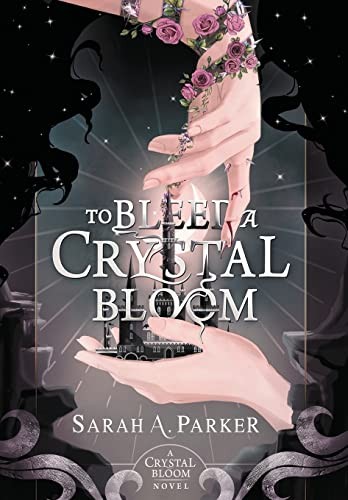
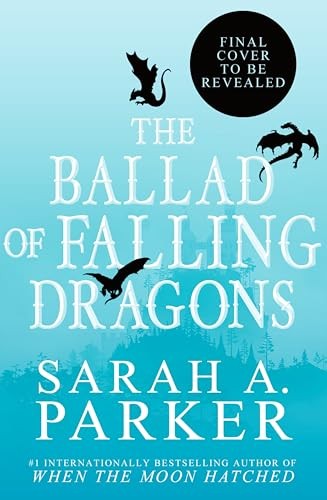
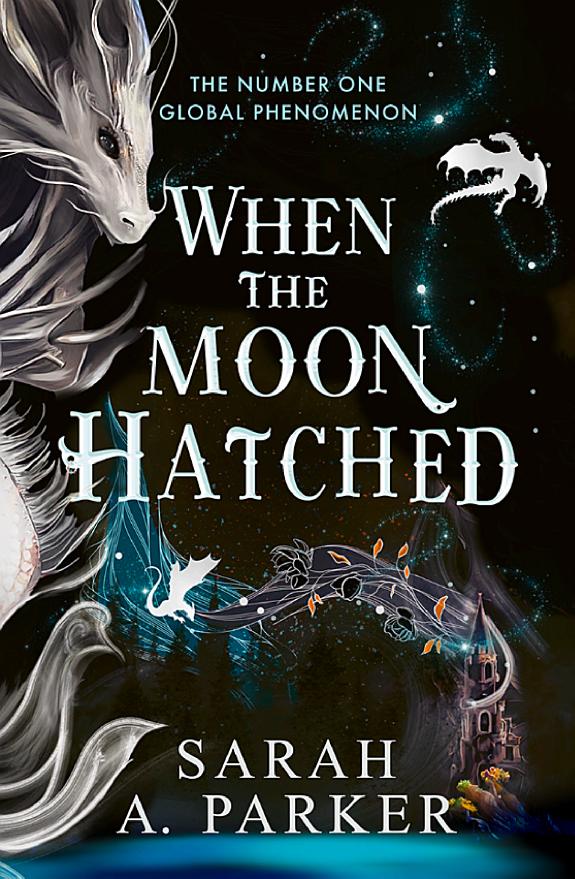
When the Moon Hatched is the flagship: Raeve, a rebel operative with a bounty on her head, a kingdom's worth of buried secrets, and a love story that stretches across lifetimes, continued in The Ballad of Falling Dragons. Before Moonfall came the Crystal Bloom series, beginning with To Bleed a Crystal Bloom, a dark Rapunzel-inspired fantasy romance about Orlaith, a girl kept safe and contained within the walls of her guardian's stronghold, and Rhordyn, the brooding, unreachable man she cannot untangle herself from. The two series show her range: Moonfall is the sweeping epic with dragons overhead, Crystal Bloom the closer, darker, more claustrophobic obsession story, and readers argue happily about which version of her is better.
On our spice guide scale, Parker lands around a 3 to 4 depending on the series. Crystal Bloom is the spicier and darker of the two, with heavy themes, possessive dynamics and content warnings genuinely worth reading before you commit to the series. When the Moon Hatched runs closer to a slow-building 3, with the chemistry doing years, in fact lifetimes, of work before the payoff finally arrives. Both deliver the burn-across-ages intensity that fated mates readers chase from series to series and rarely find executed this thoroughly.
Parker matters to the romantasy audience because she is one of the clearest proofs that the genre's center of gravity has moved to indie authors and BookTok. When the Moon Hatched became the book everyone's feed agreed on for months on end, and it did it with dragons, grief, reincarnation and a heroine who leads with a knife rather than a crown. Readers who tore through Fourth Wing and wanted something stranger, sadder and more mythic found their answer here, and the comparison honestly sells both books short in opposite directions.
Start with When the Moon Hatched for the epic, follow with The Ballad of Falling Dragons, and expect to reread the first book once the second recontextualizes everything you thought you understood about it. Come to Crystal Bloom only after checking the content warnings, starting with To Bleed a Crystal Bloom and reading strictly in order. Either way, budget considerably more hours than the page count suggests, because her worlds do not let go politely, and neither do her cliffhangers.