
Magic Study
Maria V. Snyder
Author Reading Guide
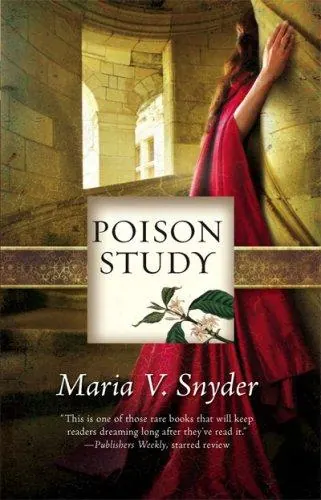
Maria V. Snyder published Poison Study in 2005 and quietly wrote the blueprint that half of modern romantasy is still working from.
Maria V. Snyder
Maria V. Snyder
Maria V. Snyder was born in Philadelphia in 1973 and earned a degree in meteorology from Penn State before turning to fiction, which explains why weather in her books is never just scenery. Her first novel, Poison Study, came out in October 2005, won the 2006 Compton Crook Award for best first novel, and earned a starred review from Publishers Weekly. Two decades later it is still one of the most reliably recommended entry points into fantasy romance, and the reason is simple. Almost every structural move the current genre depends on is already there, executed cleanly.
The setup: Yelena Zaltana is due to be executed for murder and is instead offered the position of food taster to the Commander of Ixia. Accepting means being poisoned daily with Butterfly's Dust and returning each morning for the antidote. Her trainer is Valek, the Commander's spymaster and assassin, who is exactly as dangerous as that job title suggests. Forced proximity, a power imbalance the book actually examines, a slow-burn attraction across enemy lines, and a heroine who earns her competence rather than being handed it. That combination is now standard. In 2005 it was not.
The main sequence runs Poison Study, Magic Study, and Fire Study, followed later by Shadow Study, Night Study, and further books that shift perspective to include Valek and other characters. Snyder has since returned to the world with the Study Chronicles books following Valek's earlier years, including The Study of Poisons, The Study of Magic, and The Study of Fire. She also writes the Glass series in the same world and several other fantasy and science fiction series outside it, so there is a lot of shelf to work through if the first book lands.
What defines her writing is efficiency. The prose is plain, the chapters are short, and the plot moves. There is no lingering. Snyder is unusually good at the practical texture of a skill, which is why the poison work, the tasting, and the training scenes all feel earned rather than gestured at. Her heroines tend to be survivors with specific, learnable competencies, and the romances are built on shared work and mutual usefulness rather than on destiny. If forced proximity is your trope of choice, this is the source text.
On heat, calibrate carefully. On our spice scale, the Study books sit at roughly a 1. The tension is superb and the payoff is emotional rather than explicit. Scenes fade to black. There is also a significant content warning readers should know going in: Yelena's backstory involves sexual assault, and the books handle it seriously and repeatedly rather than mentioning it once. Readers arriving from open-door romantasy will find this restrained, and readers who prefer slow burn where the wanting is the point will find it close to ideal.
Why she matters: she is genre ancestry, and she is still readable, which is not always true of foundational books. A generation of romantasy authors read Poison Study as teenagers, and you can trace its DNA through a huge amount of what is popular now. Reading her is a bit like hearing the original recording of a song you only know from covers. She is also proof that a romance can carry a fantasy plot without swallowing it, since the political conspiracy in Ixia is genuinely well constructed on its own terms.
Where to start: Poison Study and nothing else. Read it first, read it cold, and let the premise do its work. If you love it, Magic Study moves the story south into Sitia and opens the world considerably, though many readers consider it the weakest of the three. Fire Study closes the original arc. The later books, starting with Shadow Study, are a genuine continuation rather than a cash-in and are worth reading if you want more time with Valek. Save the Study Chronicles prequels for last, when you already care about who he used to be.