What Smut Actually Means in Books (and Why Nobody Whispers It Anymore)
A word that used to be an accusation is now a shelf. Here is the whole story.
Ask what smut means in books and you will get three different answers depending on who is in the room. A dictionary will tell you it means obscene material, said with a sniff. A bookseller will tell you it is the section that pays their rent. And a reader will tell you, without looking up, that it means the good stuff is on the page and not behind a closed door.
The reader is right, and this article is about why. We will pin down what the word actually covers, where it stops and erotica begins, why it is not the same thing as a spice rating, and how a term that was invented to shame romance readers became the banner they organize under. There is a glossary at the end for every other word your group chat uses without explaining. No judgment here. We maintain a 750+ book database largely dedicated to this exact subject.
In this article
The Actual Definition
Smut, in current reader usage, means fiction that includes explicit, on-page sexual content. That is the whole definition. Not fiction that is only sex, not fiction of low quality, not a moral category. A 600-page epic fantasy with two explicit chapters gets called smut. So does a novella that is wall-to-wall. The word describes presence, not proportion.
The boundaries matter more than the definition. Smut is not the same as erotica, where the sexual relationship is the plot and everything else is scaffolding. In smut, you could remove the explicit scenes and a complete story would still be standing, it would just be a worse Tuesday for everyone involved. Smut is also not a synonym for romance. Plenty of romance is closed door, meaning the scene cuts away, sometimes called fade to black. And it is not the same as dark romance, which describes the themes being explored, not how explicit the pages are. Dark romance can be smut. It does not have to be. A book can be one, both, or neither, and readers who mix these up end up very surprised on planes.
Which brings us to the distinction this site exists for: smut is a yes-or-no question, spice is a how-much question. Our spice level scale runs 0 to 5 precisely because the presence of on-page content tells you almost nothing about intensity or frequency. A spice 2 and a spice 5 are both technically smut. They are not the same reading experience, and pretending otherwise is how recommendation lists lose their credibility.
How an Insult Became a Shelf Label
The word smut spent decades as a weapon. It was what you called romance novels to avoid taking them seriously, a genre read overwhelmingly by women dismissed with a single syllable. Readers hid covers on trains. Ebooks boomed partly because nobody could see what you were reading, and that is not a coincidence.
Then BookTok happened, and something rare occurred: the audience took the insult and made it merchandise. Smut became the word readers used first, loudly, before anyone else could deploy it at them. Creators built entire accounts around spice ratings. Annotating explicit scenes with pink tabs became a craft hobby. Special editions of the spiciest books in the genre now sell out in hours, printed by the same publishing industry that once kept this content in plain covers. The shame economy inverted: what used to be whispered is now a sorting mechanism, a search term, and frankly a market force. Romantasy, the genre this site lives in, rode that wave harder than anyone. Series like A Court of Thorns and Roses put explicit chapters inside bestselling epic fantasy and made the combination the default expectation rather than the exception.
Our take, since you are here for one: the reclamation is the single healthiest thing to happen to romance readership in decades. A word that describes content honestly beats a euphemism that hides it. Readers who know exactly what they are picking up complain less, DNF less, and recommend better. The people still using smut as a sneer are, at this point, arguing with a billion-view hashtag and losing.
The Glossary Your Group Chat Assumes You Know
Spice: intensity of on-page romantic and sexual content, usually rated 1 to 5. The full scale with examples explains what each chili actually means.
Closed door and fade to black: the scene happens, the reader does not attend.
HEA and HFN: happily ever after and happy for now, the two sanctioned endings of romance. If a book ends without one, someone in the comments is filing a complaint.
FMC and MMC: female and male main character. Saves four syllables, causes new-reader confusion daily.
Book boyfriend: a fictional man you have assigned real emotional responsibilities. See also: why half the genre exists.
Shadow daddy: tall, brooding, morally flexible love interest with darkness-adjacent powers and one soft spot. The genre's most reliable renewable resource, found across our enemies to lovers and fae romance shelves.
Morally grey: a character whose ethics are negotiable and whose fans are not. There is an entire morally gray shelf for a reason.
Slow burn: the romance takes its sweet time. The slow burn shelf is for readers who consider 400 pages of tension a feature.
Touch her and die: the love interest's defining personality trait is vengeance on the FMC's behalf. Self-explanatory, extremely popular, we keep a shelf of it too.
Finding Your Level Without Getting Ambushed
The practical bit. If you are new to all this, do not start from a viral list, because viral lists skew toward maximum spice and you might not. Start from how much you actually want on the page.
Every book on this site carries a spice rating from 0 to 5, so you can browse the full database with the chili filter doing the work. If you want the deep end deliberately, the spiciest romantasy books collection is labeled exactly what it is, no ambushes. If you want story-first with the door mostly open, anything rated 2 to 3 is the genre's comfortable middle. And if you would rather answer four questions than browse 750 covers, the book quiz matches you to something at your level in about a minute.
One last thing, because it needs saying somewhere: there is no wrong answer here. Closed door readers are not prudes and spice 5 readers are not degenerates, they are the same people in different months. The word smut survived fifty years of being an insult and came out the other side as a genre label with its own special editions. Read what you like. Tab it if you want. Nobody is whispering anymore.
Not Sure About Spice Levels?
Our spice guide explains exactly what each heat level means.
Read the Spice GuideKeep Reading
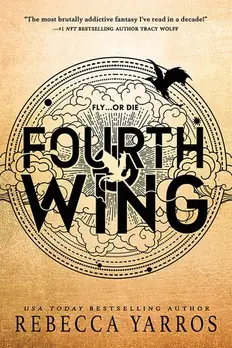
Fourth Wing Summary: The Full Plot, Explained (Spoilers Clearly Marked)
Everything that happens at Basgiath, in one place. Spoilers fenced off until you say so.
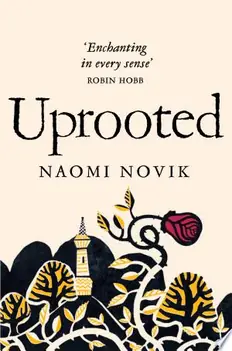
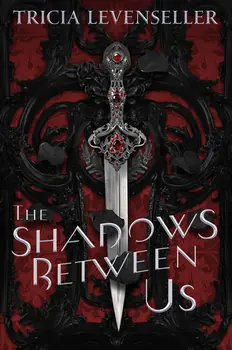
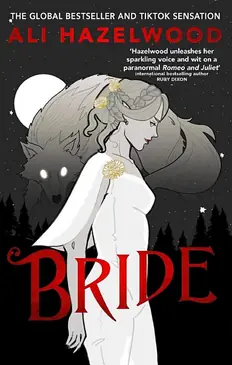
12 Standalone Romantasy Books You Can Finish Without a Series Commitment
One book. One story. No cliffhangers. No commitment anxiety.
Browse Collections
Reader Discussion
Be the first to share your thoughts.
Published August 2026 by The Fae Shelf editorial team. Updated regularly with new releases and community feedback.