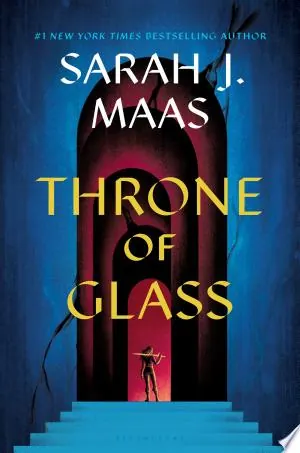
Throne of Glass
Celaena Sardothien, the most feared assassin in the kingdom, is released from slavery to compete in a deadly tournament. If she wins, she'll earn her freedom; if she loses, she'll die fighting. As she maneuvers through the King's court, she realizes nothing is as it seems.
Everything You Need to Know About Throne of Glass
Celaena Sardothien is the most feared assassin in Erilea, and she has spent the last year in a salt mine prison called Endovier. She is eighteen, half-starved, and should be dead. When the Crown Prince Dorian offers her a deal, compete as his champion in the king's tournament and earn her freedom , she takes it. The alternative is dying in the mines.
The competition pits her against twenty-three other criminals, thieves, and killers, all vying to become the King's Champion. Celaena must hide her true identity (the king would execute her on sight if he knew who she really was) while outperforming warriors twice her size. She trains, she schemes, and she tries to ignore the fact that both Prince Dorian and her assigned guard, Captain Chaol Westfall, are making it very hard to focus on survival.
But something is killing the other competitors. One by one, champions are found dead, torn apart by something that is not human. As Celaena investigates, she uncovers dark magic lurking beneath the glass castle, a connection to the ancient Wyrdmarks, and a threat that goes far beyond a simple tournament. The king is hiding something monstrous, and Celaena is caught between her desire for freedom and a fight she did not sign up for.
Celaena is magnetic. She is vain, lethal, dramatic, and unapologetically herself in a way that makes her deeply fun to follow. She loves books, fancy clothes, and chocolate cake, and she can also kill someone in under three seconds. The contrast is part of the appeal; Maas writes protagonists who refuse to choose between femininity and ferocity.
The tournament structure gives the book a natural engine. Each round raises the stakes, and the mystery of who or what is killing the competitors keeps the pages turning. It is part competition thriller, part murder mystery, part fantasy romance.
The love triangle between Celaena, Dorian, and Chaol begins here, and both options are genuinely tense. Dorian is charming, intellectual, and quietly subversive. Chaol is honourable, conflicted, and fiercely loyal. Maas gives each relationship distinct chemistry.
The world-building is deceptively deep. The Wyrdmarks, the ancient Fae history, the banned magic , these seem like background details in book one but become the foundation for an epic that spans eight books.
References to slavery and forced labour (the salt mines). Violence throughout, including tournament combat and supernatural murders. A character's backstory involves the massacre of her entire family. Dark magic and demonic creatures. The protagonist is a trained killer, death is treated matter-of-factly. Mild romance (this is the tamest book in the series by far). Brief references to past abuse in Endovier.
The champion kills, the bodies found partially eaten and drained , turn out to be the work of a ridderak, a creature from another world summoned through a Wyrdgate. Elena, the ancient queen who appears to Celaena as a ghost, has been guiding her toward this confrontation. The revelation that there are portals between worlds, controlled by Wyrdmarks and Wyrdkeys, is the foundation for the entire series mythology.
Celaena wins the tournament, becoming the King's Champion, but the victory is hollow. She is now bound to serve the man who conquered her kingdom and banned magic. Her real identity. Aelin Ashryver Galathynius, lost queen of Terrasen, is hinted at but not confirmed until later books.
The Dorian-Celaena romance gets the most development in this book, though it does not survive the series. Chaol's growing attachment to Celaena is planted as a slow burn that pays off in Crown of Midnight. The triangle drives significant character development across the first three books.
The glass castle itself is symbolically important, built by the king to suppress magic, it becomes a recurring symbol of tyranny. Its eventual destruction later in the series is one of the most cathartic moments in the whole saga.
This is the gateway into Maas's biggest series, and it works best for readers who want a character-driven fantasy with a competition framework. If you enjoyed The Hunger Games, Red Rising, or Graceling, the structure will feel familiar but the fantasy elements add a different dimension.
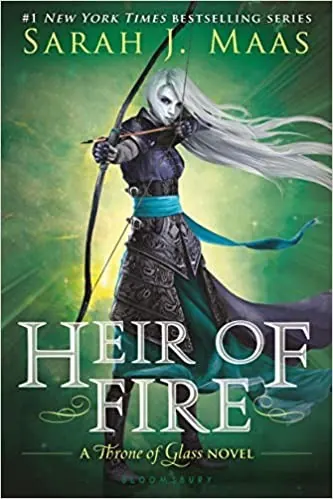
Important context: many readers consider this the weakest book in the series. Maas wrote it as a teenager, and the prose reflects that. The series undergoes a dramatic transformation starting with Heir of Fire (book three), when it shifts from YA fantasy to full-scale epic. If you find book one enjoyable but lightweight, keep going, the series earns its devoted following.
This might not be for you if you need literary prose, if you dislike love triangles, or if you want an adult-feeling fantasy from page one. The early books read younger than later entries.
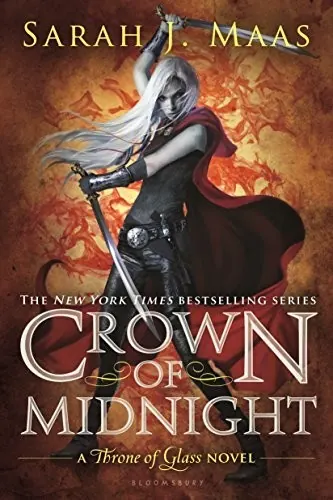
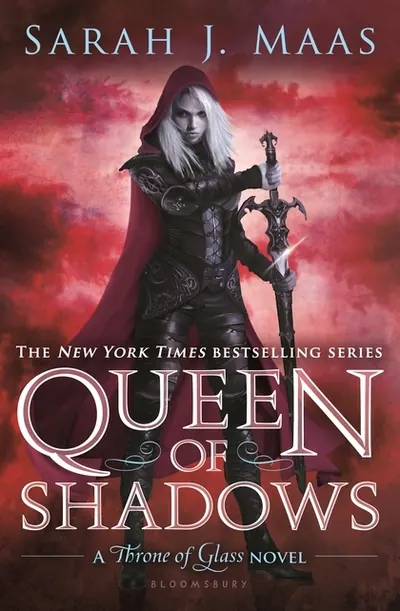
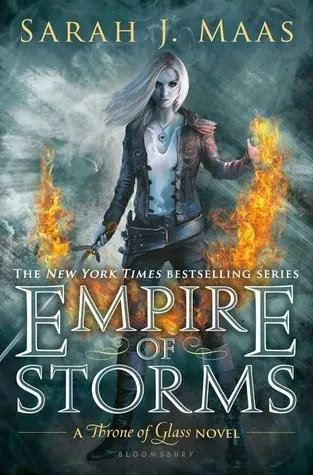
Throne of Glass is the first of eight books in the series. Reading order: Throne of Glass, Crown of Midnight, Heir of Fire, Queen of Shadows, Empire of Storms, Tower of Dawn, Kingdom of Ash. The Assassin's Blade (prequel novellas) can be read before or after book one. Tower of Dawn and Empire of Storms happen simultaneously, some readers alternate chapters (the "tandem read"). The series starts as YA and evolves into full epic fantasy.
Reader Reviews
No reader reviews yet. Be the first!