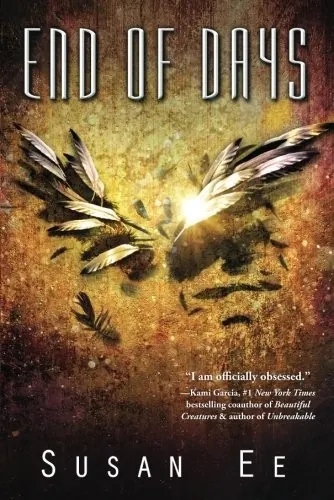
End of Days
Susan Ee
Author Reading Guide
Korean American former lawyer turned USA Today bestselling author, whose post-apocalyptic angel trilogy Angelfall landed on TIME's list of the 100 best fantasy books of all time.
Susan Ee practised law before she wrote fiction, and something of the lawyer survives in the prose: economical, unsentimental, allergic to decoration. She has said writing lets her imagination go feral, which is a good description of what happens in her books. She also made short films that played major festivals, and that background is visible in how she stages action. Scenes are blocked like camera setups. You always know where the exits are, which matters enormously in a story where the exits are the plot.
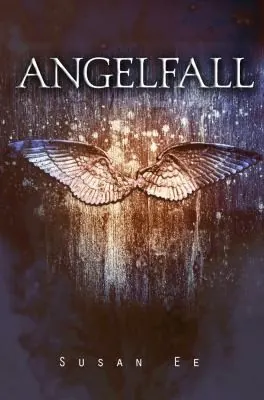
Her breakthrough is Angelfall, the first book in the Penryn and the End of Days trilogy, and it arrived as a self-published title before being picked up widely and translated into more than twenty languages. TIME later listed it among the 100 best fantasy books of all time, which is a striking outcome for a book that started as an indie ebook. The premise: angels have attacked Earth, the San Francisco Bay Area is rubble, and seventeen-year-old Penryn Young is trying to keep her paraplegic sister and her mentally ill mother alive in the wreckage. When her sister is taken, Penryn strikes a deal with Raffe, a wounded angel who needs her as much as she needs him.
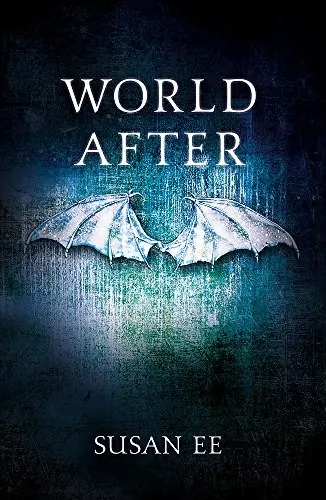
What defines Ee's writing is refusal to make the apocalypse comfortable. Penryn's mother is not quirky, she is genuinely unwell and genuinely dangerous. The gangs are not cartoon villains. The angels are not misunderstood. Ee lets the setting be ugly and then puts a romance inside it that has to earn every inch, which is why the Penryn and Raffe dynamic still gets cited a decade later. Their banter is dry rather than flirty, and the physical restraint between them is almost total for most of the trilogy. The trilogy runs Angelfall, World After and End of Days, and it is complete, which is worth stating plainly given how many angel series were abandoned mid-arc.
On our spice scale this is a one, occasionally brushing two. It was written and marketed as young adult, and the romance stays at the level of tension, one or two significant kisses, and a great deal of held breath. Anyone arriving from adult romantasy expecting explicit content will be disappointed. Anyone who wants a masterclass in why slow burn works when the stakes are real will find one. The violence, by contrast, is not restrained. There is body horror, torture, child endangerment, and a running thread about human experimentation that gets genuinely grim in book two.
For a romantasy reader, Ee matters as genre ancestry. Angelfall sits at the hinge between the paranormal young adult boom and the current wave of adult fantasy romance, and it is the book that proved a non-human love interest could be alien and unsettling rather than a boy with wings. That instinct runs straight through to the morally gray love interests dominating shelves now. Raffe is not safe, is not particularly nice, and never gets redeemed into someone soft. If you liked how uneasy the early chapters of the bigger fae series felt before they warmed up, this trilogy stays in that register the whole way through.
Where to start and what to expect: read Angelfall first, and read the trilogy in order, since the books pick up almost immediately after each other and none of them work as a standalone. Budget for a fast read. All three are short by current standards and the pacing is relentless. Go in for the survival story and the atmosphere rather than the romance, and the romance will land harder as a result. Ee has published little since the trilogy closed, so there is no sprawling backlist to work through, which makes this an easy weekend commitment rather than a shelf project. Pair it with the darker end of the dark romantasy list if you want more of the same bleakness with more heat.