Son
Lois Lowry
Author Reading Guide
Two-time Newbery Medalist behind Number the Stars and The Giver, still writing dystopias about censorship and memory at almost ninety.
Lois Lowry has been quietly shaping readers for almost fifty years, and the odds are decent she shaped you. Born in 1937 into a military family, she lived in Hawaii, New York, Tokyo, and half a dozen other places before settling into writing in her forties. Her 1977 debut, A Summer to Die, drew on the loss of her older sister, and set the pattern for a career built on trusting young readers with the hardest subjects: grief, war, memory, and what people give up for comfort.
Her range is wider than her famous books suggest. The Anastasia Krupnik series is pure comedy, a smart-mouthed girl navigating family life across nine books, and generations of readers met her there first. But the two Newbery Medals mark the summits. Number the Stars, which won in 1990, follows ten-year-old Annemarie in Copenhagen in 1943 as her family helps smuggle their Jewish neighbors to Denmark across the water to safety. It remains one of the most read Holocaust novels in schools, and it has aged beautifully because it never talks down.
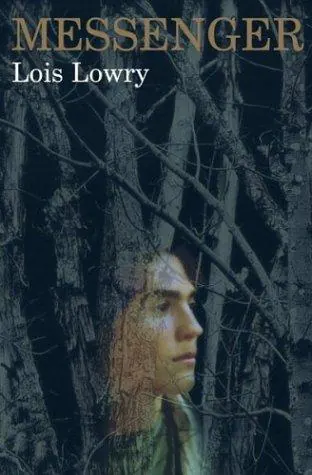
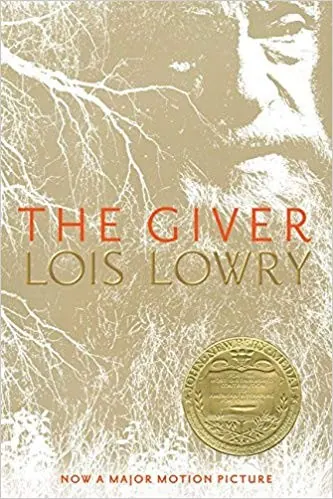
Then there is The Giver, the 1994 Newbery winner and one of the most influential novels ever written for young people. Jonas lives in a community that has traded pain, color, and memory for Sameness, until he is chosen to receive the memories of the world and discovers what 'release' actually means. Every dystopia your favorite BookTok series descends from, The Hunger Games and Divergent very much included, owes this book rent. It grew into a quartet with Gathering Blue, Messenger, and Son, and became a 2014 film with Jeff Bridges, who had spent almost two decades trying to get it made, alongside Meryl Streep. The Giver is also a fixture of banned-books lists, an irony so on the nose that Lowry has spent decades pointing it out herself.
She is not done. At 89 she has a new middle grade dystopia called Building 903 coming in fall 2026, about censorship and book banning, following twins Tessa and Theo in a society ruled by the Koziris, with a 135-year-old neighbor holding the key to a disappearance. Writing your fiftieth-plus book at 89, about the exact fight currently happening in American libraries, is about as good as career arcs get.
What is she doing on a romantasy shelf? Heat level 0, obviously, and not a love triangle in sight. She is here as ancestry and as a palate cleanser. The Giver is arguably the book that taught the entire YA-to-romantasy pipeline how to read dystopia, how to bond with a protagonist who sees the truth first and pays for it. An afternoon with Lowry between fae wars is an afternoon well spent.
There is also a whole comic register of Lowry that the dystopia reputation hides. The Willoughbys, her 2008 parody of old-fashioned orphan stories in which the children scheme to get rid of their terrible parents, became a Netflix animated film in 2020, and books like the Gooney Bird Greene series have kept early readers laughing for two decades. She has written memoir as well, reckoning publicly with the loss of her son, a fighter pilot who died in a crash, and with the photographs and memories that shaped her fiction. The through-line between the funny books and the devastating ones is the same unsentimental respect for children's intelligence, and it is why teachers have trusted her with difficult conversations for half a century.
Where to start: The Giver, even if you read it at twelve, it is a different book at thirty. Number the Stars next. The rest of the quartet is optional, though Son ties the threads off with real grace, and if you want to see her funny side, Anastasia is waiting.