Rise of the Empress
Julie C. Dao
Author Reading Guide
Julie C. Dao writes lush, morally slippery fantasy drawn from East Asian folklore. Her debut handed the Evil Queen her own origin story and refused to apologise for her.
Julie C. Dao
Julie C. Dao
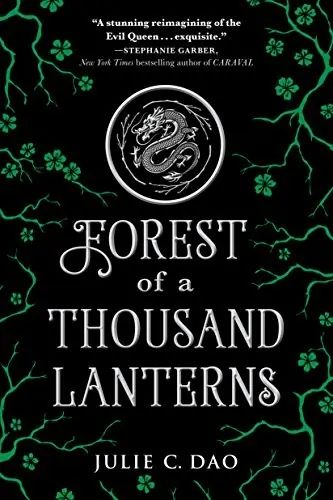
Julie C. Dao is a Vietnamese-American author who was born in upstate New York and lives in New England, and she broke through in 2017 with Forest of a Thousand Lanterns, a book that does something most young adult fantasy will not. It takes the villain and makes her the protagonist without softening her. Xifeng is beautiful, ambitious, and told from childhood that her destiny is the throne. The cost of that destiny is other people, and Dao lets her pay it. Readers expecting a redemption arc do not get one, which is exactly why the book has held its reputation.
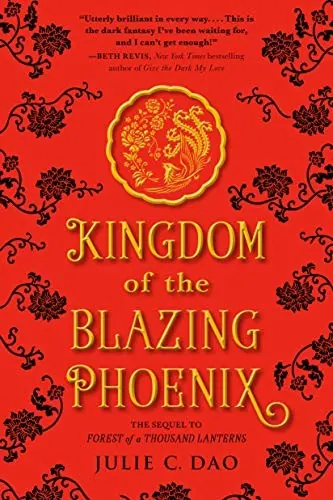
Forest of a Thousand Lanterns opens the Rise of the Empress duology, completed by Kingdom of the Blazing Phoenix, which shifts perspective and lets a new heroine walk into the world Xifeng built. Both books draw on Vietnamese and East Asian folklore rather than the standard European fairy tale furniture, and the Snow White bones underneath are recognisable without ever feeling like costume. Her novels have collected starred reviews from Booklist, School Library Journal, and Publishers Weekly, and the Rise of the Empress books are in development as a television series at Amazon MGM Studios.
Her bibliography is wider than the duology suggests. Song of the Crimson Flower is a standalone young adult fantasy with a curse at its center and a much gentler romantic register. Broken Wish is her contribution to a Disney-published fairy tale series. The Team Chu books are middle grade adventure, and they are genuinely funny. More recently she moved into adult fiction with Now Comes the Mist, a retelling of Dracula from the perspective of Lucy Westenra, followed by So Blooms the Dawn. That turn toward gothic horror is a natural fit for a writer who has always been more interested in appetite and ambition than in comfort.
What defines her prose is control. The sentences are ornate but they do not sprawl, and she is very good at the small physical detail that makes cruelty land. Food, embroidery, cosmetics, and ritual carry meaning throughout her work rather than sitting as decoration. She also writes ambition as a legitimate hunger rather than a flaw to be corrected, which is rarer in the genre than it should be, and it puts her in conversation with the sharper end of morally gray fantasy.
On heat, be realistic. On our book spice ratings, the Rise of the Empress books sit around a 1. Attraction is present, tension is real, and the door stays firmly closed. These are young adult books and they behave like it. The adult Dracula novels are darker and more explicitly concerned with desire, though they are gothic horror before they are romance, so treat them as a different reading experience rather than a spicier version of the same one. If open-door heat is your requirement, Dao is not the author for that particular evening.
Why she matters to a romantasy reader: she is a bridge. Plenty of people arrive at this genre through villain-adjacent leads and dark fairytale retellings, and Dao was doing that in 2017 with more craft than most of what followed. Her books also make a case for folklore-rooted fantasy that does not translate itself for a Western reader, which is the same territory Shelley Parker-Chan works in with She Who Became the Sun. If you loved Xifeng, that comparison will land.
Where to start: Forest of a Thousand Lanterns first, then Kingdom of the Blazing Phoenix, and read them as a pair. The second book only works if you have watched Xifeng become what she becomes. Song of the Crimson Flower is the right pick if you want something standalone and lower stakes, and it is a good palate cleanser after the duology. Save Now Comes the Mist for when you want the adult, gothic version of her voice, and go in expecting horror rather than a love story.