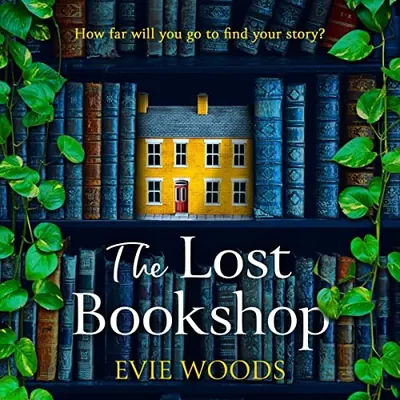
The Lost Bookshop
A woman discovers a magical bookshop that exists outside of normal time, where she can slip between past and present. The books hold secrets and the chance to alter what has been lost. She must move through magical realism to find healing and unexpected love.
Everything You Need to Know About The Lost Bookshop
Three narrators, one vanishing bookshop on a quiet Dublin street. In the 1920s, Opaline flees the marriage her brother is forcing on her and builds a life in the rare book trade, from Paris to a little Dublin shop of her own, chasing rumors of a lost Emily Bronte manuscript. In the present day, Martha leaves her abusive husband and takes a job as housekeeper to an eccentric old woman on Ha'penny Lane, while Henry, an awkward academic, arrives hunting the same lost manuscript and a bookshop that the records insist stood next door, though there is nothing there but a wall. The three stories braid together with a light touch of magic, the kind where a building can choose who finds it.
The writing about books and reading feels genuine, not performative. The braided timelines work because Opaline's story carries real weight rather than period decoration, and Martha and Henry's halves earn their own stakes. The bookshop itself becomes a character; it operates by rules that make sense within the story. Cozy enough to reread, substantial enough to matter.
Domestic abuse and coercive control (on page), forced institutionalization, forced marriage pressure, grief, historical sexism throughout Opaline's timeline.
Opaline's brother Lyndon has her committed to an asylum to take control of her life, and she loses years to it. The manuscript everyone chases is tied to the rumored second novel of Emily Bronte. The present-day threads resolve warmly: the epilogue reveals Martha and Henry married and running the reappeared bookshop together, with Martha telling the story we have just read. The book keeps its magic ambiguous until it doesn't. The shop is real, and it chooses its people.
Book lovers will gravitate here. If you enjoyed The Starless Sea's love letter to stories, this is a gentler, more grounded cousin. Low spice, high atmosphere. Not for readers who want action-driven plots or clear antagonists.
Standalone.
Reader Reviews
No reader reviews yet. Be the first!