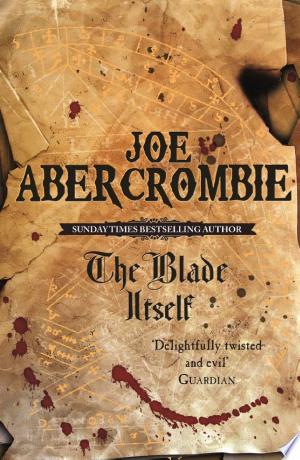
The Blade Itself
Logen Ninefingers, a notorious warrior, is drawn into a conflict between warlords, wizards, and dark magic. Every choice leads him deeper into moral compromise and blood. His path toward redemption is paved with violence and impossible decisions.
Everything You Need to Know About The Blade Itself
There are no heroes in The Blade Itself, only survivors and corpses. Logen Ninefingers is a barbarian running from his past, bloodthirsty, scarred, and desperate to escape the reputation of the Half-Hand who killed thousands. Jezal dan Luthar is a vain nobleman's son who thinks the world revolves around his swordsmanship and his reputation. Inquisitor Glokta is a broken torturer, crippled and scarred from years of imprisonment and disease, now serving the king by extracting confessions with cruelty disguised as duty. As war spreads across the North, these three men are pulled into the orbit of Bayaz, the First of the Magi, whose plans are older and colder than anyone guesses. Nothing is as it seems, and everyone is complicit in their own downfall.
This is anti-fantasy done right. Abercrombie strips away the chosen-one narrative, the prophetic destiny that guarantees meaning, the moral clarity that makes other fantasy comfortable. The three POV structure forces you into the heads of characters you wouldn't trust in real life, and somehow you understand them anyway. Glokta's voice is particularly devastating; watching him rationalize cruelty while understanding it's poisoning him is a masterclass in unreliable narration. The world feels lived-in: complex politics, casual brutality, no respect for innocence. Action sequences are raw and short, no five-page fight scenes, just efficient violence that leaves characters changed. The moral murkiness isn't clever genre-subversion; it's a genuine question: can people change, or are they just trapped in their nature?
Graphic violence, torture descriptions, sexual slavery references, racism and dehumanization of specific groups, starvation, disease, war crimes. One key scene involves an act of extreme violence against a character that defines the book's final third. No sexual content, but sexual coercion and exploitation are referenced. Pervasive tone of hopelessness and moral decay.
Bayaz is the real engine of the book. He proves he is the actual First of the Magi, not a con man, by opening the House of the Maker, and his interest in Logen, Jezal, and Ferro is anything but benevolent. He is collecting tools.
Jezal wins the fencing Contest because Bayaz magically cheats on his behalf. The swordsmanship that props up Jezal's entire self-image is a stage trick, and he never quite finds out.
Glokta breaks the Mercers guild, follows the money, and starts asking questions his superiors want dropped, which earns him a posting to Dagoska that he may not survive. Logen's other half, the Bloody-Nine, surfaces just long enough to show why the whole North is terrified of him. The book ends with Bayaz assembling his party for a journey to the edge of the World, setup executed with unusual style rather than a finished story.
If you loved ASOIAF's political scheming and moral complexity, this is closer to Abercrombie's vision than the show became. Readers who are tired of white-hat heroes and want morally gray characters with actual consequences. Fair warning: this is grimdark. People you care about make terrible choices and suffer for them. There is no sense that the universe cares about fairness. Excellent for readers who want fantasy to grapple with power structures and ask uncomfortable questions.
Book 1 of The First Law trilogy. Fair warning: it is mostly setup, the trilogy reads as one continuous story across The Blade Itself, Before They Are Hanged, and Last Argument of Kings. Standalones and a second trilogy expand the world later, but this is the entry point.
Reader Reviews
No reader reviews yet. Be the first!