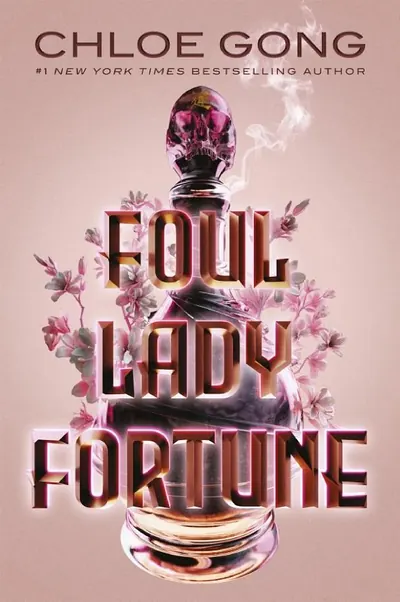
Foul Lady Fortune
In 1930s Shanghai, a woman spy accepts a dangerous assignment that will reshape her nation's future. She carries secrets that could destroy her and a gift she cannot fully control. Espionage, betrayal, and hidden identities define her perilous mission.
Everything You Need to Know About Foul Lady Fortune
Four years after the fall of the Scarlet Gang, Rosalind Lang should be dead. Instead an experimental treatment left her unable to age, unable to sleep, and able to heal from almost anything, so the Nationalists turned her into an assassin, code name Fortune. Her new assignment is different: pose as the wife of fellow agent Orion Hong and investigate a string of chemical killings spreading through 1931 Shanghai as Japanese imperial interests tighten around the city. Rosalind and Orion do not trust each other, which is a problem, because their cover as newlyweds requires them to be convincing, and the conspiracy they are pulling on runs far closer to home than either of them can guess.
Murder, poisoning and human experimentation, war and occupation violence, brainwashing and loss of bodily autonomy, grief. No explicit sexual content.
The twist rearranges the whole book: Orion is tied to the killings himself. His mother, Lady Hong, is behind the chemical concoction, and Orion has been a conditioned sleeper agent without knowing it. The ending is brutal, Lady Hong activates him, wipes his memory, and takes him with her, leaving Rosalind to watch the man she has fallen for forget her completely. The duology also confirms Juliette and Roma survived under new names. Foul Heart Huntsman picks up the rescue.
For readers who want spy games, fake marriage, and slow-burn tension in a historical setting, more wartime thriller with a speculative thread than romantasy. If you liked These Violent Delights, easy yes. If you want fast romance payoff or heavy fantasy elements, this will feel restrained.
Book 1 of a duology, completed by Foul Heart Huntsman. It is a spinoff of the These Violent Delights duology set four years later, with Rosalind promoted from side character to lead. You can technically start here, but the earlier books explain who Rosalind is and what happened to her.
Reader Reviews
No reader reviews yet. Be the first!