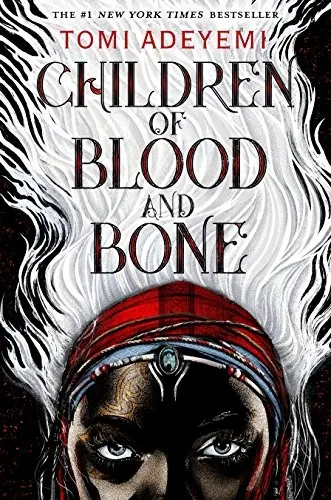
Children of Blood and Bone
Magic was suppressed in a West African inspired world until a young woman discovers she can bring it back. Her quest ignites revolution against an oppressive regime that hungers to keep magic dead. She discovers her power comes at a cost she must decide to pay.
Everything You Need to Know About Children of Blood and Bone
Zelie remembers when magic ran through her West African-inspired world, before King Saran had the maji slaughtered, her mother among them. Now she gets one shot at bringing it back. When runaway princess Amari steals a sacred scroll from the palace, Zelie, her brother Tzain, and Amari race across the kingdom to complete a ritual that can restore magic, with Amari's brother, crown prince Inan, hunting them the whole way. Inan is the most interesting piece: he has magic himself, hates it, and is torn between his father's genocide and what he feels for Zelie. It's a chosen-one story, yeah, but Adeyemi doesn't let it be soft. The magic demands a price and people die for real stakes.
The world-building is specific and lived-in, not generic fantasy. You feel the weight of colonialism, the cost of resistance, the impossible choice Inan faces between family and what's right. The magic system (ancestral connection, channeled through blood and bone) is elegant and dangerous. Zélie and Inan's dynamic is magnetic because they're at odds ideologically, not just personally. The supporting cast (Tzain, Amari, Baba) grounds the story in relationships, not just plot.
Violence (magical and physical), genocide, slavery, death of major characters, grief, religious oppression. Some graphic depictions of violence.
Saran kills Zelie's father Baba, and the book does not flinch from it. At the climax Inan finally stands against his father and declares magic should live, and Saran stabs him for it. Amari kills her own father in the final battle. Zelie completes the ritual as the temple collapses, and the closing pages reveal it worked bigger than anyone intended: magic is back, and Amari, with no maji blood anyone knew of, wakes with a white streak in her hair. Inan's fate is left ambiguous until book two. Bittersweet is the right word. The win costs Zelie her parent and her illusions.
If you loved Avatar: The Last Airbender's politics and world-building, or the character-driven fantasy of Sabaa Tahir's work, this lands. It's YA but doesn't feel YA-bound, real stakes, complicated morality, genuine magic system. Not for: readers wanting romance to drive the plot. The love story is secondary here, as it should be.
Book one of the Legacy of Orisha trilogy, followed by Children of Virtue and Vengeance and Children of Anguish and Anarchy. The ritual plot wraps here, but the political fallout is the engine of the sequels.
Reader Reviews
No reader reviews yet. Be the first!