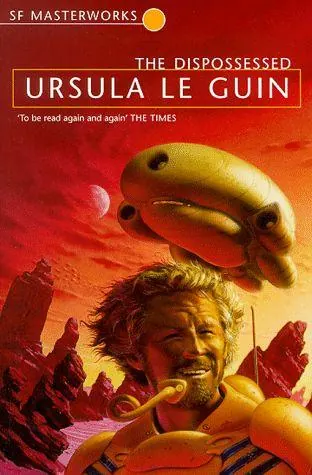
The Dispossessed
Ursula K. Le Guin
Author Reading Guide
Ursula K. Le Guin (1929-2018) wrote A Wizard of Earthsea, The Left Hand of Darkness, and The Dispossessed, and in the process rebuilt what fantasy and science fiction could be. She is ancestry rather than comfort read: the writer half your favorite authors are quietly imitating.
Ursula K. Le Guin
Ursula K. Le Guin
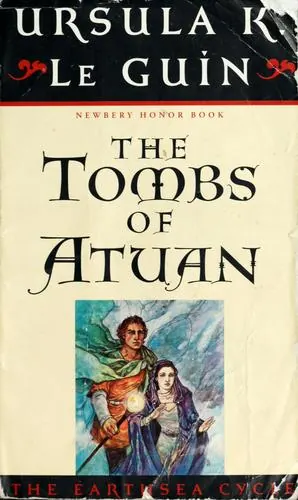
Ursula K. Le Guin
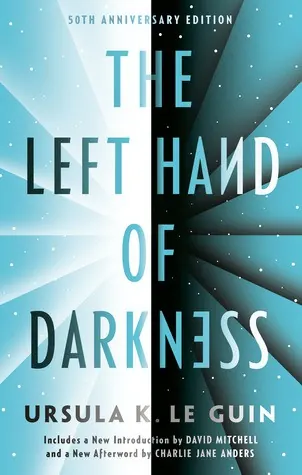
Ursula K. Le Guin
A Wizard of Earthsea
Ursula K. Le Guin
Ursula K. Le Guin
Let's be honest upfront: Ursula K. Le Guin is not a romantasy author. There are no fated mates in Earthsea and nobody in her books ever smirked while leaning against a doorframe. She is in this database because she is load-bearing ancestry for the entire fantasy genre, and because reading her after a steady diet of modern romantasy is like stepping out of a loud party into cold night air. Born in Berkeley in 1929 to an anthropologist and a writer, she published steadily from the 1960s until her death in Portland in 2018, and by the end she had a National Book Award, multiple Hugos and Nebulas, a SFWA Grand Master title, and her work enshrined in the Library of America while she was still alive to see it. Almost no genre writer has ever been taken this seriously by the literary establishment without softening a single thing about her work.
Her fantasy cornerstone is Earthsea. A Wizard of Earthsea (1968) follows Ged, a goatherd's son whose raw talent gets him into the wizard school on Roke and whose arrogance looses a shadow on the world. The prose is spare and balanced in a way almost nothing in modern fantasy attempts; the magic system, built on true names, has been borrowed by every magic school book since. The Tombs of Atuan gives us Tenar, a girl raised as a death-cult priestess, and her strange, careful relationship with Ged is as close as the series comes to romance: two damaged people learning trust in the dark. Decades later Le Guin returned with Tehanu (1990) and The Other Wind, older and angrier books that quietly dismantle the boys-club assumptions of her own early work. Watching an author argue with her younger self across thirty years is one of the great experiences in fantasy reading.
On the science fiction side, The Left Hand of Darkness (1969) put an envoy on a planet whose people have no fixed sex, and the bond between Genly Ai and the exiled politician Estraven remains one of the most moving almost-love-stories ever written, precisely because it never resolves the way you want. The Dispossessed (1974) is her anarchist masterpiece. Both won the Hugo and Nebula. If you have ever loved a slow-burn where the tension is ideological as much as physical, this is where that current starts.
Spice level: 0 on our 0-5 scale, with the caveat that her books contain more adult intelligence about desire, power, and marriage than most explicit novels manage. She writes about sex the way she writes about everything, with anthropological curiosity and zero performance.
Why should a romantasy reader care? Because the things you love have sources. The wizard school, the true-name magic, the priestess heroine, the enemies who cross a glacier together: Le Guin built these rooms and everyone else has been rearranging her furniture. Adaptations have mostly failed her; she publicly criticized the whitewashed 2004 miniseries, and Studio Ghibli's Tales from Earthsea (2006) disappointed nearly everyone including her. The documentary Worlds of Ursula K. Le Guin, featuring admirers like Margaret Atwood and Neil Gaiman, is the best screen introduction to her that exists. The books remain the point, and they are all short by modern standards, which makes trying her nearly free.
Start with A Wizard of Earthsea, which you can finish in two evenings, and continue straight into The Tombs of Atuan, which is where many women readers feel the series click. If you want the science fiction, The Left Hand of Darkness is the essential single volume. Read her when you are between romantasy series and slightly tired of them. She will not give you a book boyfriend. She will give you sentences you remember ten years later, and a reminder of how big this genre can be when someone refuses to write small.